

HPE Mist AI: Self-Driving Network Operations
"How HPE Mist AI is revolutionizing network management with self-driving capabilities and agentic AI."


Hewlett Packard Enterprise (HPE) has continued to innovate with the Mist AI platform, introducing new capabilities that bring the concept of a truly self-driving network closer to reality.
The Power of Agentic AI
Mist AI is built on a microservices cloud architecture and leverages advanced artificial intelligence and machine learning to optimize user experiences and simplify IT operations across the wireless access, wired access, and SD-WAN domains.
The latest updates introduce "agentic AI" capabilities, where the system not only identifies issues but actively takes steps to resolve them without human intervention. This shift from reactive monitoring to proactive, autonomous remediation is a game-changer for IT teams.
Transforming IT Operations
- Marvis Virtual Network Assistant: The conversational AI interface, Marvis, has been expanded to provide even deeper insights into client-to-cloud experiences. It can now correlate events across a wider range of network infrastructure to pinpoint the root cause of complex connectivity problems.
- Automated Troubleshooting: When a user experiences a poor connection, Mist AI automatically captures packet traces and identifies the exact point of failure—whether it's an AP, a switch port, or a DHCP server—and often resolves the issue before the user even reports it.
- Predictive Analytics: By continuously learning the baseline performance of the network, Mist AI can predict capacity issues and hardware failures, allowing IT to address them proactively during maintenance windows.
HPE Mist AI is essential for organizations looking to deliver reliable, high-performance connectivity at scale while reducing the operational burden on their IT staff.
Location Services and Analytics
Beyond connectivity, Mist AI utilizes virtual Bluetooth Low Energy (vBLE) technology to provide enterprise-grade location services. This enables indoor navigation, asset tracking, and proximity tracing without the need for physical battery-powered beacons.
The Journey to Autonomous IT
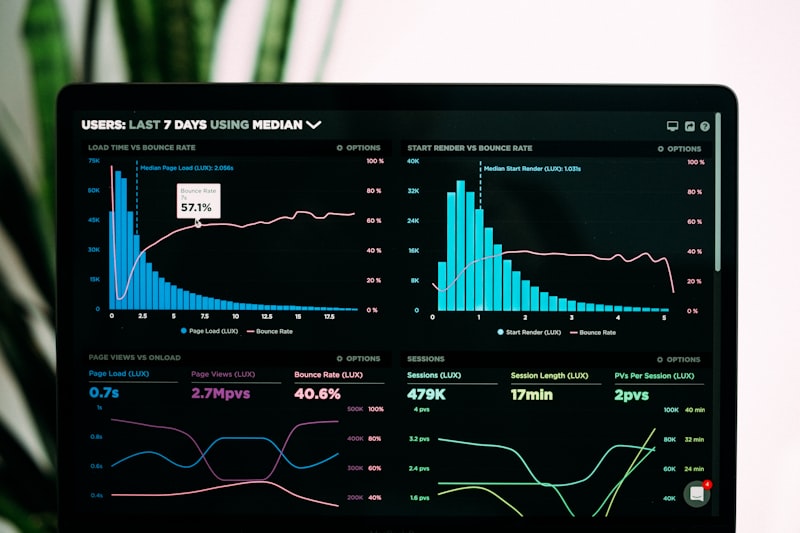
The ultimate goal of HPE's AI strategy is to create a fully autonomous network. With features like dynamic packet captures that trigger only when an anomaly is detected, and automated RRM (Radio Resource Management) that adjusts channel power on the fly using reinforcement learning, that goal is becoming a reality.
For IT directors, this means fewer helpdesk tickets and more time to focus on strategic initiatives rather than chasing intermittent Wi-Fi issues.
Designing and Scaling Mist AI Campus Networks
Implementing HPE Mist AI in enterprise campus environments requires a focus on telemetry optimization and predictive artificial intelligence insights:
- Access Point Placement: Design wireless environments using Mist's virtual Bluetooth LE (vBLE) arrays to ensure accurate indoor location services without requiring battery-powered physical beacons.
- Wired Assurance integration: Connect Juniper/HPE EX switches to the Mist portal to enable automated port profiling and predictive cable fault detection.
- Self-Healing Automation: Enable Mist's AI-driven Radio Resource Management (RRM) to dynamically adjust Wi-Fi channels and transmission power, mitigating transient interference in real time.
Integrating these capabilities reduces helpdesk tickets by up to 50% by resolving connectivity issues automatically before end-users can notice them.


